When you’re in Peru’s Sacred Valley, you have the opportunity to step beyond the typical tourist routes and experience the living, breathing culture of the Andean highlands.
One incredible way to do this is to visit the Ccaccaccollo Women’s Weaving Co-op, a social enterprise that goes beyond showcasing the art of weaving to tourists. Here, tourism is seamlessly integrated into the community’s daily life, in a manner that not only sustains but also enriches the local culture.

Why Visit the Ccaccaccollo Social Enterprise?
The Ccaccaccollo Women’s Weaving Cooperative in Peru was established by Planeterra to counter the negative effects of booming tourism, which had led to cultural erosion and economic imbalance in the community.
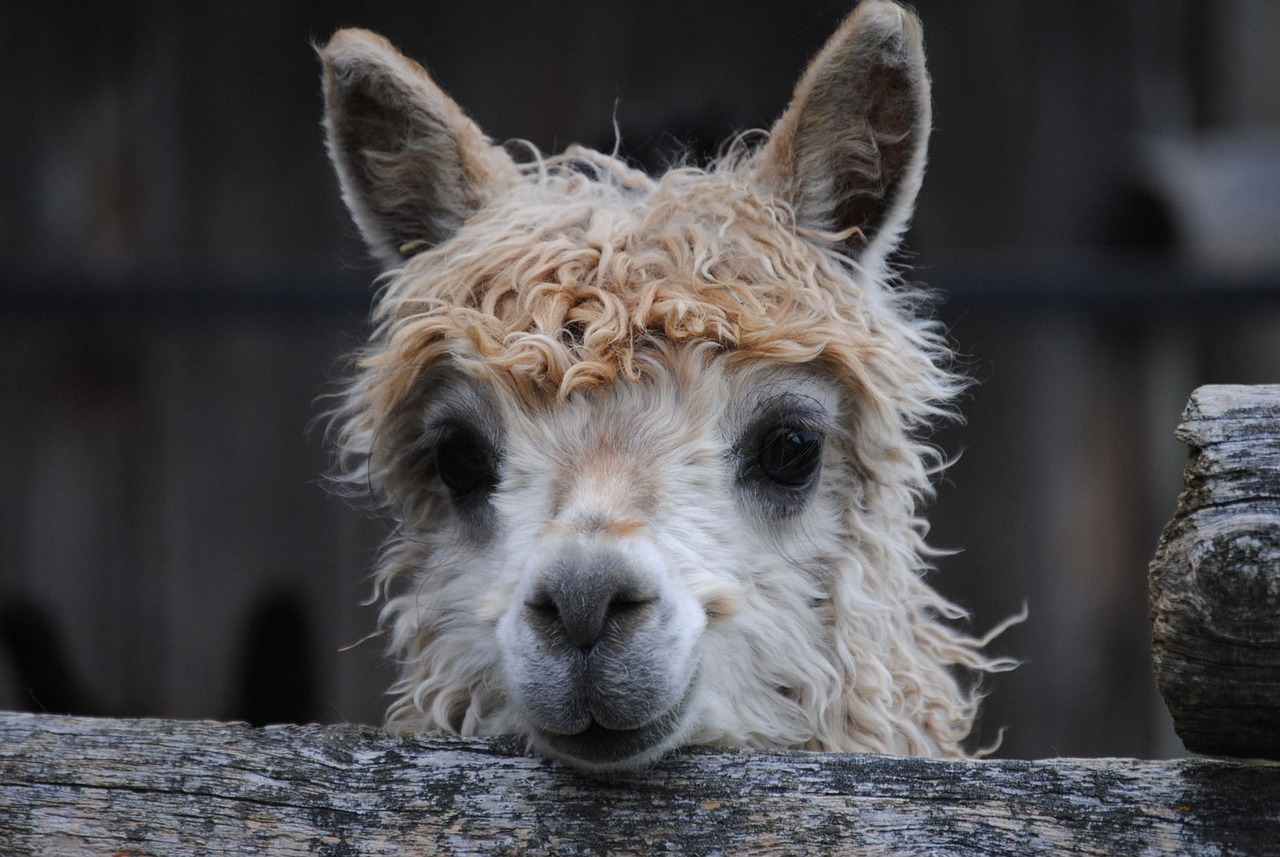
Previously, many women left the village for menial jobs in tourist areas. The co-op trains these women in traditional weaving techniques, allowing them to craft and sell alpaca textiles. This creates economic stability while preserving Incan and Quechua cultural traditions.
With a membership of over 60 women weavers, this co-op offers an insightful look into the entire traditional weaving process, a craft passed down since the time of the Incas. From hand-spinning and dyeing wool with natural colors to the intricacies of the weaving itself, every stage is a rich tapestry of history, skill, and cultural value.
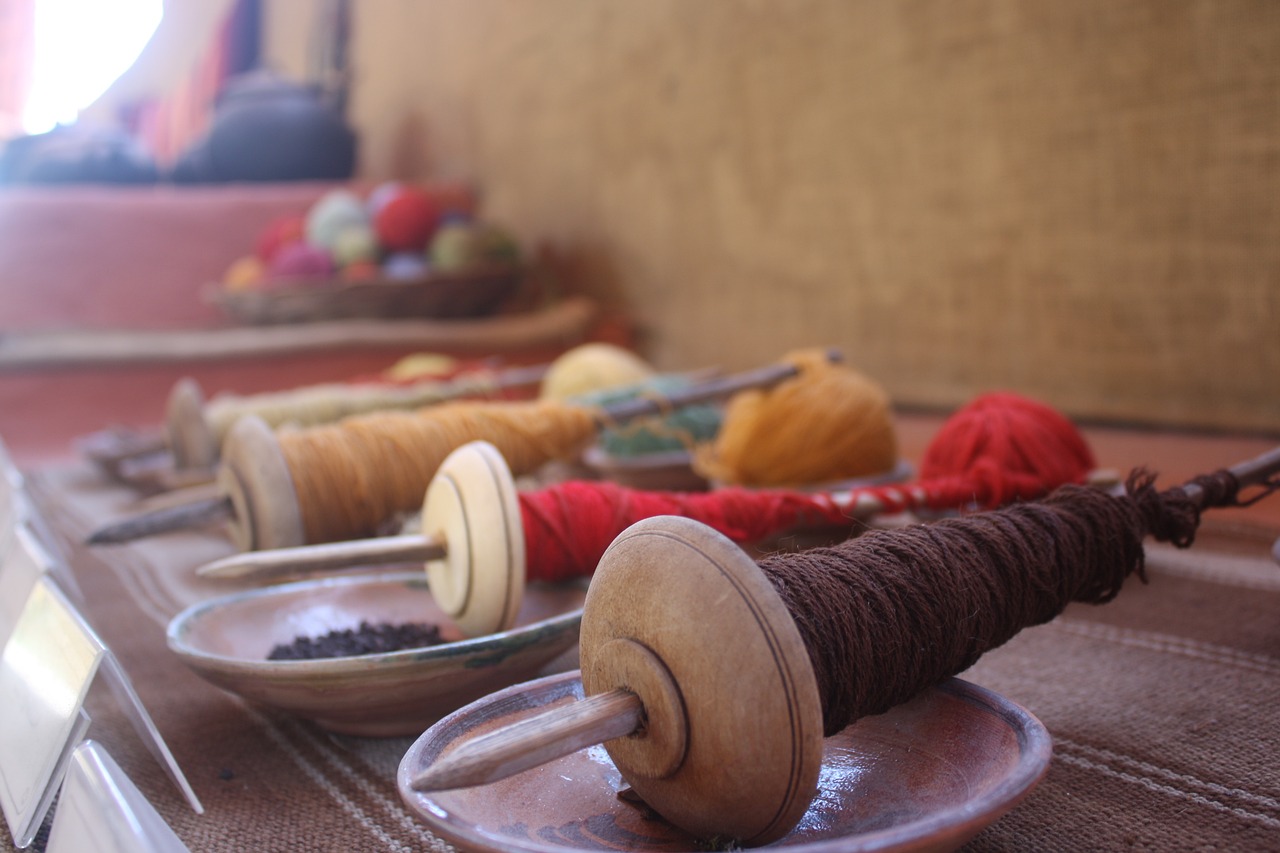
What’s more, the money raised from tours and textile sales is funneled back into the community, empowering these artisans to pay for their children’s education and improve the overall quality of life in their village.
Despite setbacks like the destruction caused by 2010 mudslides, the co-op has thrived, thanks to community resilience and external support from organizations like Planeterra. Today, the co-op serves as a sustainable economic engine and a bastion for cultural preservation.
How to Visit Ccaccaccollo Women’s Weaving Co-op
Although many tourists visit this co-op as part of G Adventures tours, independent travelers will find the site accessible and rewarding. Trust me, if you’re debating between a visit here and the weaving demonstrations in Chinchero, choose Ccaccaccollo for a more authentic and less commercial experience.
Getting There
From Cusco, take a collectivo headed toward Pisac. Tell the driver to drop you off near Ccaccaccollo; the drop-off point is a brief 10-minute journey past Awanakancha.
From there, you’ll hike up an unpaved but manageable road for about two kilometers.
You’ll know you’ve arrived when you find yourself in a tranquil village set against a backdrop of stunning Andean landscapes. Simply ask around, and locals will generally be happy to arrange a weaving demonstration for you.
Supporting the Co-op
Given the co-op’s focus on sustainability and fair pricing, expect to find high-quality, all-natural textiles that are priced to reflect both the craftsmanship and the mission of the co-op.
If you’re looking to make your visit impactful, plan to purchase some souvenirs or offer a financial gift for their time and demonstration.
What Travelers Say About the Co-op
The Ccaccaccollo Women’s Weaving Co-op is not just another stop on the tourist circuit; it’s an opportunity to engage with a community in a way that is mutually enriching. Here’s what independent travelers have loved about visiting this social enterprise in Peru’s Sacred Valley:
- Bryan: “The kindness, big smiles, and welcoming attitudes of all the women made this the most memorable experience so far in Peru. Their wares are of high quality.”
- T Mc: “You want genuine local Peruvian hand woven textiles, this is the place to come. The dyes and cleansing agents are naturally sourced.”
- Greg: “The hat I bought was amazing at keeping my head warm… has been a great souvenir that I still use in the UK for cold days.”
- Adam: “What an amazing experience to spend a night in this village. If you want to see the traditional methods used to make alpaca clothing, this is a great place to visit.”
- Micheal: “Beautiful setting and informative demonstration. They are top quality but much more expensive than the mass-produced items.”
- Rob: “Absolutely worth the time to stop! The ladies taught us about the different fibers and showed us how they take raw alpaca wool… then how they spin it into yarn.”