Last Updated on November 26, 2025
Responsible tourism is a buzzword these days. Pair it with “sustainable tourism” and you have the magic words that hotels, tour operators, and businesses throw around to catch attention. I’ve spent nearly two decades researching community tourism for Grassroots Volunteering and traveling through regions shaped—for better and worse—by visitor impact.

Experiences like what I saw in Kibera—seeing tourism create real jobs and dignity—are what anchor the idea of responsible travel for me. At its heart, responsible tourism is a good trend. Travelers are increasingly aware of the need for an integrated, mindful approach to travel—one that considers local communities, ecosystems, and long-term impacts, not just the itinerary in front of us.
But what exactly is responsible tourism? And how can travelers put it into practice?
For me, it’s always been a mix of curiosity and care—moving through new places with the sense that my presence leaves some kind of footprint, so I try to make that footprint a gentle one.
What is Responsible Tourism?
At its core, responsible tourism means using your travel dollars—directly and indirectly—as a tool for conservation, poverty alleviation, and economic well-being. Responsible travelers aim to respect local people and the environment everywhere they visit.
This can look like choosing local businesses, supporting conservation initiatives, and avoiding activities that harm wildlife or exploit communities. It’s less about perfection and more about intention—paying attention to where your money goes and who benefits.
Why Should You Travel Responsibly?
Responsible travel lessens your negative impact and amplifies your positive one. Yes, there’s a lot that goes into building a sustainable tourism industry on the ground, but travelers have power too: how you book your trip, who you choose to support, how you behave in a new culture.
Before diving into the “how,” it helps to look at why responsible tourism matters.
Why is Responsible Tourism Important?
Tourism is a massive global employer. As of 2024, the WTTC reports that travel and tourism contributed $10.9 trillion to the global economy—representing 10% of global GDP and supporting an estimated 357 million jobs worldwide. That’s one in ten jobs tied to this industry.
The pandemic laid bare just how dependent many communities are on tourism. When tourism disappeared, so did livelihoods. But the pause also gave many places a chance to rebuild with more emphasis on sustainability and local benefit.
A 2024 review estimates that tourism alone generates 35 mega tonnes of solid waste per year globally, underscoring how visitor behavior affects fragile destinations.

Beyond economics, tourism influences everything from land use to wildlife protection. And its downsides vary by region. A few common ones include:
- Tourism can strain local food, water, and housing resources.
- Wildlife habitats suffer when tourism encourages poaching or harmful interactions.
- Air travel is a significant contributor to global emissions.
- Some communities become commodified—“living museums”—for the sake of visitor entertainment.
- Travelers may unintentionally offend by ignoring dress codes or cultural norms.
Humans are curious creatures by nature, and most travelers don’t set out to do harm—it’s usually the small, unexamined moments that leave the biggest marks. As travelers, we have to think through the ripple effects of what we participate in. The goal of responsible tourism is simple: minimize harm, maximize good.

The Positives: How Tourism Can Help
Tourism, when done thoughtfully, can be an enormous force for good:
- It can redistribute wealth from developed to developing regions.
- It infuses cash directly into local hands.
- It creates incentives to protect wildlife and reduce poaching.
- It can model sustainable practices like better waste management.
- It creates meaningful cultural interactions and builds empathy.
And these benefits apply everywhere—from rural Thailand to Venice’s canals or the mountain trails of Switzerland.
Responsible tourism is as much a mindset as a collection of actions. But actions matter too. So let’s look at the practical side.

How to be a Responsible Tourist
Here are eight simple ways to build responsibility into your travels.
1. Go Overland
Flights have a huge environmental cost—higher than earlier predictions estimated—and they remain one of the least sustainable parts of modern travel. I think about this often when I plan my own trips, especially the long-haul ones.
Overland travel vs. flying: which is more sustainable? Almost always overland. When possible, choose destinations closer to home and move by train, bus, or shared transport. And if you must fly, you can still shift into lower-impact travel once your feet are on the ground.
Traveling overland also supports the circular tourism economy, keeping more spending local and reducing the carbon intensity of your movement between destinations.
Plus, there’s something grounding about watching a landscape change from the window of a train—it reminds you you’re moving through a real place, not just landing in one.
Airlines are experimenting with more efficient aircraft and sustainable aviation fuels, and that progress matters. But the most meaningful choice is still the simplest: take trains, buses, and group transport when you can—especially in mountainous or fragile environments.
More travelers are also gravitating toward carbon-neutral and carbon-negative options, supporting airlines and operators that invest in verified climate projects and publish transparent environmental policies.
Interesting Read: How to Travel the World Without Flying
2. Respect Cultural Norms
Research the cultural expectations of every place you visit. Reading local authors and narratives helps you understand the nuances—those tiny social rules that rarely make it into guidebooks but matter deeply to the people who live there.
Some cultures avoid certain gestures; others have strong expectations around dress, modesty, or eye contact. Knowing these norms isn’t just respectful—it creates opportunities for genuine connection and smoother interactions.
Browse a list of the best travel books organized by country!
3. Use Local Resources
What is an example of responsible tourism? Spend your money where it matters: locally.
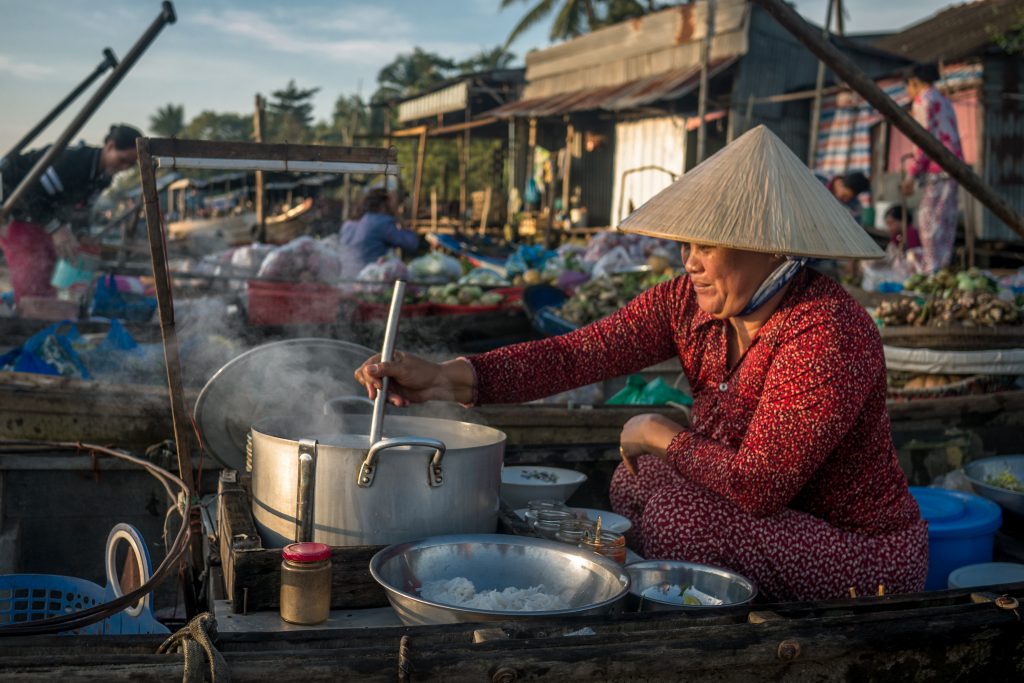
Buying food, souvenirs, and experiences from local businesses directly strengthens the community. In many destinations, issues like deforestation or poaching are tied to the lack of stable, fair-wage employment. Supporting local companies and infusing money directly into the local economy helps alleviate this.
If you want to take it a step further, choose businesses that prioritize social and environmental responsibility themselves. That’s the foundation of Grassroots Volunteering’s social enterprise database.
Choosing community-run businesses strengthens local stewardship and supports the kind of destination management that keeps tourism sustainable long-term. Your choices matter—support the people who live and work in the places you visit.
Find a social enterprise in your next travel destination.
4. Lessen Your Trash Impact
Trash infrastructure varies around the world. Even if locals dispose of garbage in rivers or burn it openly, don’t do it too. Responsible travel means modeling good behavior regardless of what others do.
Easy ways to reduce waste while traveling
Recycle when possible. Carry your trash out when you can’t. And most importantly, reduce your waste in the first place.
Bring a reusable bottle and a way to treat your own water—SteriPen or LifeStraw, or a water bottle. Many guesthouses and hotels now have refill stations. Cutting down on single-use water bottles alone significantly reduces your environmental impact.
Beyond “doing less harm,” regenerative travel focuses on leaving places better than you found them—whether through conservation projects, beach cleanups, or supporting artisans revitalizing traditional crafts. It doesn’t have to be perfect—just a little more mindful than the default.
5. Choose Your Travel Activities With Care
Not every experience marketed to tourists is ethical—or safe.
In cash-strapped places especially, locals may offer activities that involve wildlife exploitation, unsafe conditions, or troubling power dynamics. Responsible tourism increasingly focuses on ethical wildlife tourism and experiences that support regenerative travel, rather than extractive, photo-driven encounters.
Examples of unethical tourist activities
Riding elephants, petting tigers, or touring slums without community oversight are all harmful, even if they seem normalized.
There’s no universal checklist for every destination, but ask yourself:
- Does this activity benefit the people or animals involved?
- Does it foster cultural understanding—or just provide a photo?
- What’s hidden from view to make this possible?
Your answers should guide your choices.

6. Spend More Money Locally
Beyond using local providers, spread your spending around so more families and small businesses benefit. This is especially important in places struggling with overtourism, where money often stays concentrated in a few hot spots.
Look for community-based organizations rather than multinational chains, and consider accommodations certified by reputable sustainability programs like EarthCheck, Green Key , or B-Corp. These help identify businesses making real commitments, not just marketing claims.
Grassroots Volunteering’s geo-located social enterprise database remains one of the only curated collections of responsible businesses worldwide.
7. Travel in the Off-Season
High season takes a toll everywhere—cities, coastlines, mountains, and small rural communities. Cities like Kyoto, Barcelona, and Dubrovnik have all shown how quickly overtourism can overwhelm local communities—and how important it is to spread visits into shoulder seasons.
Trash piles up. Traffic worsens. Wildlife retreats. Prices spike. Local residents bear the brunt of it.
Traveling in the shoulder season spreads tourism’s impact more evenly and supports local businesses year-round. It also gives you a calmer, more rewarding experience, and avoids the strain on fragile natural areas during their busiest periods.
8. Keep Things in Perspective
Travel is full of unknowns. When things feel overwhelming, frustrating, or chaotic, perspective is your best tool.
Know your stance on giving to beggars before you go. Approach haggling with fairness and respect—many vendors will actually sell at a loss if they’re desperate for income that day.
And when situations heat up, step back. Take a breath. Reset. Remember you’re a guest, and leading with patience and kindness sets the tone. Most of us are just doing our best out there, learning as we go—locals included.
Travel is full of unpredictable moments. A responsible traveler learns to navigate them with awareness, humility, and flexibility. Whether you’re hiking remote trails or volunteering abroad, you’ll find countless opportunities to support local communities, model helpful behavior, and lessen your impact.
A lot has changed in the last few years, and responsible travel continues to evolve alongside it. Committed travelers set the example. Your awareness on the road—small choices included—helps create better experiences for both visitors and the people who live in every destination you pass through.
Responsible tourism is not a niche—it’s the baseline for traveling well in 2026 and beyond.
Updated for 2026 to reflect new sustainability certifications, overtourism patterns, and best practices in ethical wildlife tourism.

Shannon O’Donnell is an award-winning travel writer, speaker, and author of the acclaimed “Volunteer Traveler’s Handbook.” She’s been traveling the world for over 20 years, and is passionate about helping others use travel as a force for good.
She was the 2013 National Geographic Traveler of the Year for her work in responsible travel and tourism, and has appeared everywhere from NPR to the BBC to CNN as an expert in travel and international volunteering.